
The Importance of Ingredient Transparency in Skincare
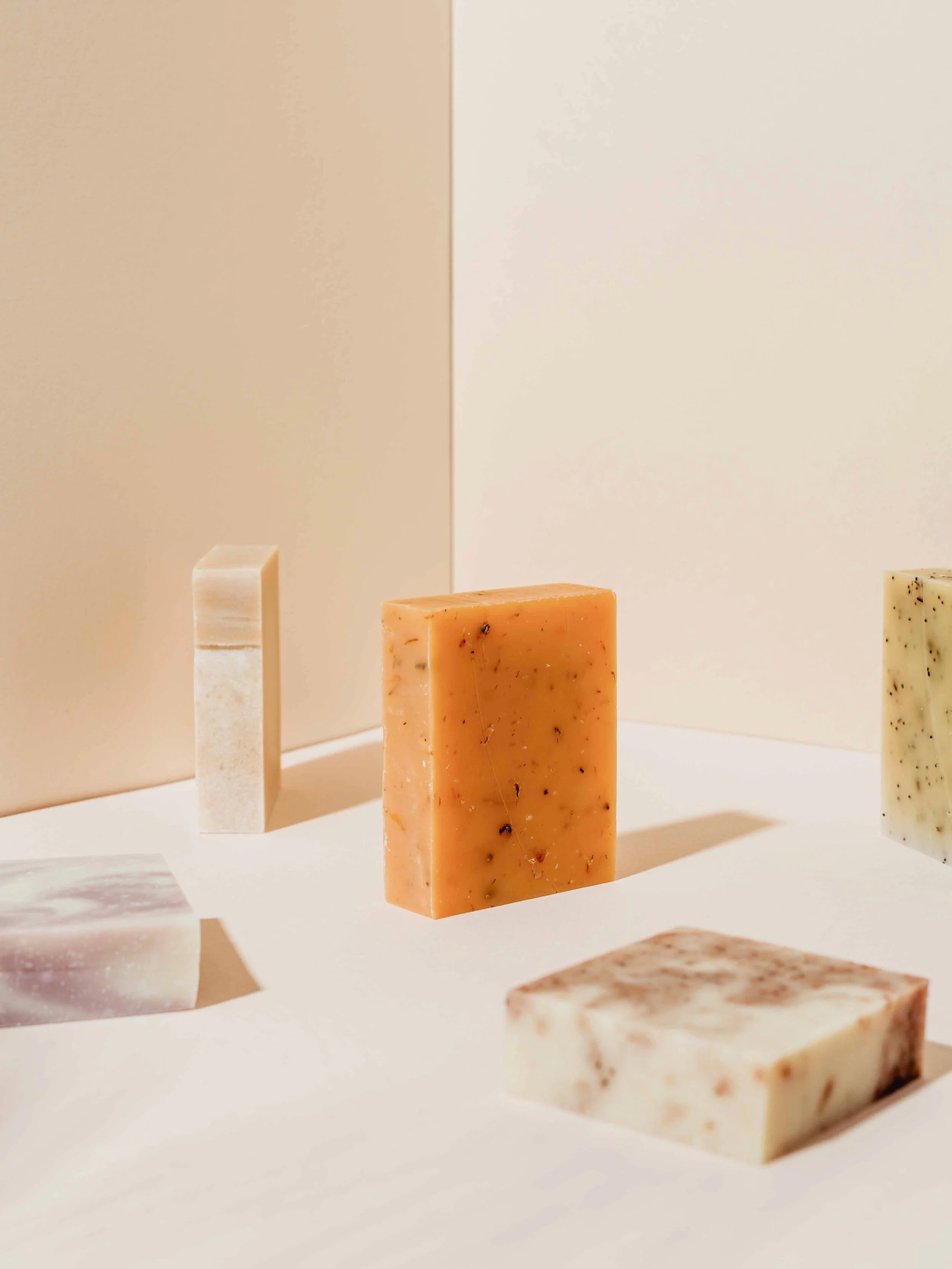
When it comes to skincare, avoiding harmful substances is just as important as applying beneficial ones. While the cleansing properties of soap are widely appreciated, many commercial brands contain ingredients that can irritate the skin, provoke allergic reactions, or act as endocrine disruptors. Given the vast array of available options, the impact of specific ingredients on dermatological and overall health can easily be overlooked. Understanding which components to avoid is essential for maintaining healthy skin.
Here are five common soap ingredients that are frequently recommended to be avoided:
1. Parabens
Parabens function as preservatives used to extend the shelf life of personal care products. However, they have been linked to hormonal disruptions. Because they can mimic estrogen in the body, their regular use poses potential long-term health risks. Common variants to look out for on ingredient lists include methylparaben, ethylparaben, and propylparaben.
2. Sodium Lauryl Sulfate (SLS)
SLS is a surfactant responsible for creating the foamy, bubbling texture in many soaps. Despite its lathering properties, it is a recognized skin irritant. For individuals with sensitive skin or dermatological conditions such as eczema, SLS can strip the skin of natural oils, leaving it dry, tight, and aggravated. Opting for natural, sulfate-free soap bases provides a gentle cleanse without unnecessary irritation.
3. Artificial Colorants
Synthetic dyes are often used to make soaps visually appealing, but they offer no skincare benefits. Many artificial colorants are derived from petroleum and coal tar, which are known to trigger allergic reactions and irritation, particularly in sensitive individuals. Labels featuring "FD&C" or "D&C" indicate the presence of synthetic dyes. Natural coloring agents, such as clays, botanicals, and plant-based extracts, serve as much safer alternatives.
4. Triclosan
Historically utilized for its antibacterial properties, triclosan is now heavily scrutinized for its potential role in contributing to antibiotic-resistant bacteria. Furthermore, research indicates that triclosan may disrupt hormones and increase skin sensitivities. Although the FDA has banned triclosan in over-the-counter consumer hand and body washes, it is still advisable to monitor labels, as it can occasionally appear in other products.
5. Phthalates
Phthalates are chemical compounds frequently used to prolong the scent of synthetic fragrances. They are associated with endocrine disruption and reproductive health concerns. Because they are often grouped under the generic ingredient term “fragrance” or “parfum” to protect trade secrets, they can be difficult to identify. Selecting products explicitly labeled as phthalate-free or relying entirely on natural essential oils for scent is the most effective way to avoid exposure.